Maximize Efficiency with Heat Pump Installations
- Timothy Puchalski
- Apr 8
- 4 min read
In today's world, where energy efficiency is more crucial than ever, heat pumps have emerged as a powerful solution for both heating and cooling needs. These systems not only reduce energy consumption but also lower utility bills, making them an attractive option for homeowners and businesses alike. This blog post will explore how to maximize efficiency with heat pump installations, providing practical tips and insights to help you make the most of this technology.
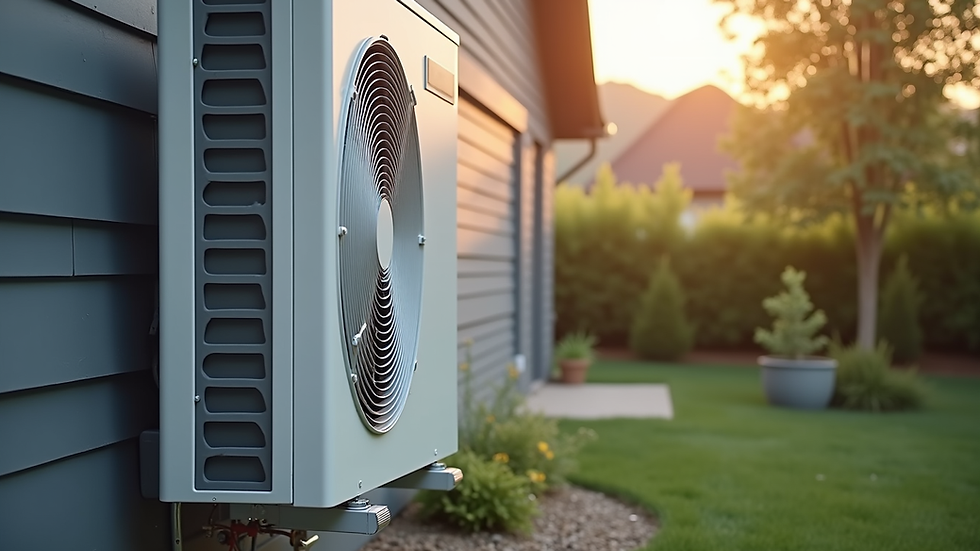
Understanding Heat Pumps
What is a Heat Pump?
A heat pump is a versatile system that transfers heat from one place to another. It can extract heat from the air, ground, or water and use it to heat or cool a space. Unlike traditional heating systems that generate heat, heat pumps move existing heat, making them highly efficient.
Types of Heat Pumps
Air Source Heat Pumps: These are the most common type, extracting heat from the outside air. They work efficiently in moderate climates but may struggle in extreme cold.
Ground Source Heat Pumps: Also known as geothermal heat pumps, these systems use the stable temperature of the ground to provide heating and cooling. They are more efficient but come with higher installation costs.
Water Source Heat Pumps: These systems extract heat from a body of water, such as a lake or pond. They are less common and require specific site conditions.
Benefits of Heat Pump Installations
Energy Efficiency
Heat pumps can be up to 300% more efficient than traditional heating systems. This means for every unit of electricity consumed, they can produce three units of heating or cooling. This efficiency translates to lower energy bills and a reduced carbon footprint.
Versatility
Heat pumps can provide both heating and cooling, making them a year-round solution for climate control. This versatility eliminates the need for separate heating and cooling systems, saving space and installation costs.
Environmental Impact
By using renewable energy sources and reducing reliance on fossil fuels, heat pumps contribute to a greener environment. They help lower greenhouse gas emissions, making them an eco-friendly choice for homeowners and businesses.
Maximizing Efficiency with Proper Installation
Choosing the Right Size
One of the most critical factors in maximizing heat pump efficiency is selecting the right size for your space. An oversized unit can lead to short cycling, where the system turns on and off frequently, wasting energy. Conversely, an undersized unit will struggle to maintain the desired temperature.
To determine the appropriate size, consider:
The square footage of the space
Insulation levels
Local climate conditions
Professional Installation
While DIY projects can be tempting, heat pump installation is best left to professionals. A qualified technician will ensure that the system is installed correctly, optimizing its performance and efficiency. They will also check for proper ductwork, insulation, and refrigerant levels.
Regular Maintenance
Just like any other HVAC system, heat pumps require regular maintenance to operate efficiently. Schedule annual check-ups with a professional technician to:
Clean or replace filters
Inspect ductwork for leaks
Check refrigerant levels
Ensure the system is running smoothly
Regular maintenance can extend the lifespan of your heat pump and keep it operating at peak efficiency.
Enhancing Efficiency with Smart Technology
Smart Thermostats
Integrating a smart thermostat with your heat pump can significantly enhance its efficiency. These devices allow you to program heating and cooling schedules, ensuring that your system operates only when needed. Some smart thermostats even learn your habits and adjust settings automatically, further optimizing energy use.
Zoning Systems
If your home has multiple levels or distinct areas, consider installing a zoning system. This technology allows you to control the temperature in different zones independently, ensuring that energy is not wasted on unoccupied spaces.
Understanding Energy Ratings
When shopping for a heat pump, pay attention to energy ratings. The Seasonal Energy Efficiency Ratio (SEER) and Heating Seasonal Performance Factor (HSPF) are two critical metrics to consider:
SEER measures cooling efficiency. A higher SEER rating indicates better energy efficiency.
HSPF measures heating efficiency. Similar to SEER, a higher HSPF rating means better performance.
Look for units with high SEER and HSPF ratings to ensure you are investing in an efficient system.
Financial Considerations
Initial Costs vs. Long-Term Savings
While the initial cost of a heat pump installation may be higher than traditional systems, the long-term savings on energy bills can offset this expense. Additionally, many governments offer incentives and rebates for energy-efficient installations, making heat pumps more affordable.
Financing Options
If the upfront cost is a concern, explore financing options available through local utility companies or government programs. Many offer low-interest loans or payment plans to help homeowners invest in energy-efficient upgrades.
Conclusion
Heat pumps represent a significant opportunity for homeowners and businesses to improve energy efficiency and reduce costs. By understanding the technology, choosing the right system, ensuring professional installation, and maintaining the unit, you can maximize the benefits of heat pump installations. Embrace this efficient solution and take a step towards a more sustainable future.
As you consider your options, remember to evaluate your specific needs and consult with professionals to make informed decisions. The journey to energy efficiency starts with the right choices today.


Comments